
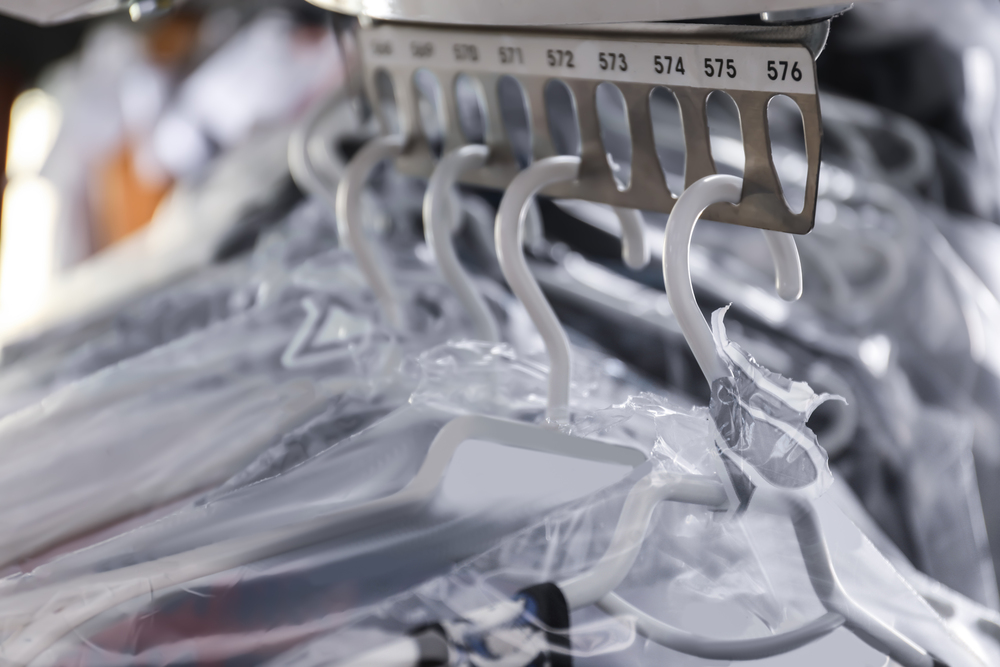
For facilities that need faster picking, cleaner routing, and better use of vertical space, overhead conveyor systems single pick systems can be a practical way to move products without crowding the production floor.
SRS Conveyors designs, manufactures, installs, and services material handling systems for industries such as garment handling, laundry, distribution, manufacturing, storage, and assembly. Their solutions include overhead conveyors, garment rails, monorail systems, enclosed track conveyors, and automated conveyor solutions.
What Are Single Pick Overhead Conveyor Systems Systems?
Overhead conveyor systems move products, components, or carriers above the floor instead of through busy ground-level pathways. In a single pick system, operators can pick or handle individual items, orders, or carriers one at a time.
This is especially useful in distribution centers, production areas, and facilities where floor space is limited. By using vertical space, companies can improve their warehouse layout, reduce walking time, and create a cleaner flow for products and materials.
Why Overhead Conveyors Improve Material Handling
One of the biggest advantages of Overhead conveyors is that they free up valuable floor space. Instead of relying only on a floor conveyor, facilities can move products above work areas, storage zones, or assembly stations.
This helps improve:
- Manufacturing efficiency
- Product movement
- Picking accuracy
- Space utilization
- Workflow organization
- Employee movement within the work environment
For companies handling finished goods, small parts, garments, office products, aerospace parts, or visual merchandising materials, overhead systems can create a more organized and efficient movement path.
Enclosed Track Conveyor Options
SRS offers enclosed track conveyor solutions, including All-Flex and Unibilt systems. An enclosed track conveyor helps protect the chain and moving components inside the track, reducing exposure to dust, debris, and contamination.
These enclosed track systems are commonly used in applications such as:
- Manufacturing operations
- Assembly line conveyors
- Food processing
- Storage and retrieval
- Paint and finishing processes
- Dip painting
- Powder coating
Enclosed track designs are often selected when companies need cleaner movement, durable performance, and flexible routing.
Load Capacity and Product Movement
Choosing the right system depends on the product weight, system length, routing, and required load capacity.
SRS conveyor systems can use components such as load bars, carriers, hooks, trolleys, and vertical lifts to move products through different stages of production or distribution. In some applications, zinc plated components, Stainless Steel Systems, or alloy steel parts may be considered depending on the operating environment.
Durable components such as ball bearing wheels, machined ball bearing wheels, a hardened race, and high tensile strength materials can help support long-term performance, especially under the harshest conditions.
Power and Free Conveyor Systems
A power and free conveyor gives facilities more control over product movement. Unlike a basic continuous conveyor, a power and free system can allow products to stop, accumulate, separate, or reroute as needed.
This is useful for:
- Assembly processes
- Variable production timing
- Workstation-based workflows
- Quality checks
- Sorting and accumulation
- Automated storage and retrieval
When connected with control systems, these Internal transport systems can support more organized and automated product flow.
Friction Drive Overhead Conveyor Systems
Some facilities may benefit from friction drive overhead conveyor systems, depending on their operational needs. These systems use friction-based technology to move carriers smoothly and efficiently.
Different overhead conveyor technologies can be selected based on noise level, product weight, cleanliness, maintenance access, and system layout. In some projects, a C-250™ conveyor line or other light to medium-duty conveyor option may be evaluated depending on the specific application.
Supporting Automated Material Handling
Modern facilities often need more than basic product movement. They need automated material handling that connects with production, inventory, and order fulfillment workflows.
SRS offers conveyor controllers for applications such as sorting, storage and retrieval, production counting, assembly, and kitting. These systems can help reduce manual handling, improve consistency, and support smarter production processes.
This type of automation aligns with Industry 4.0, smart systems, and the growing use of robotics in manufacturing and distribution environments. A Robotics and Automation division can help facilities connect conveyors with larger automation strategies.
Conveyor Components and System Design
A complete conveyor system may include more than track and chain. Depending on the project, facilities may need:
- Drive unit selection
- Worm gearmotors
- T-slot aluminum support
- Belting options
- Crane tool access
- Carriers and hooks
- Vertical movement equipment
- Guarding and support structures
The right combination depends on product type, available space, process requirements, and long-term service needs.
Applications Across Production and Distribution
Single pick overhead conveyor systems can support many industries and processes. They are often useful in:
- Distribution operations
- Garment handling
- Laundry systems
- Manufacturing
- E-commerce fulfillment
- Parts movement
- Paint and finishing processes
- Food processing
- Product storage
- Assembly and kitting
For facilities focused on lean manufacturing, overhead conveyors can help bring materials to the work area instead of requiring employees to repeatedly walk, lift, or transport products manually.
Maintenance and Long-Term Performance
Good conveyor maintenance helps protect uptime and extend system life. Useful maintenance tips include checking chain tension, inspecting trolleys, monitoring the drive unit, reviewing load points, and documenting wear patterns.
A strong quality control program supported by statistical process control can also help identify recurring issues before they become expensive downtime problems.
For companies with ISO 9001 standards or similar documentation requirements, maintenance records and performance tracking can support better process control.
Reducing Costs and Improving Efficiency
A well-designed overhead conveyor system can help reduce production costs and labor costs by improving product flow, reducing manual movement, and supporting more consistent handling.
Better routing can also improve safety, reduce congestion, and make the facility easier to manage. This is especially important in busy manufacturing, storage, and distribution environments.
Knowing What Belongs in the System
Not every equipment term belongs directly inside the conveyor scope. For example, Gas IR Catalytic Heaters may be part of a finishing or curing process near a conveyor, but they should be discussed as process equipment unless the project specifically includes them.
Similarly, website security terms such as Ray ID and Client IP are not conveyor specifications. They should not be confused with actual conveyor features.
Get Professional Advice Before Choosing a System
Every facility has different product weights, layouts, workflows, and long-term goals. That is why it is important to get professional advice from a knowledgeable support team before choosing a system.
With the right conveyor solutions, overhead conveyor systems single pick systems can help companies use vertical space, improve material handling, support automated workflows, and create a more efficient path from production to finished goods.
Contact SRS Conveyors today to discuss custom overhead conveyor systems and single pick conveyor solutions for your facility.